Running a commercial kitchen in Sydney is a high-stakes ballet of efficiency, safety, and compliance. While the culinary art is often the star of the show, the underlying infrastructure—particularly your ventilation and exhaust systems—is what keeps your business running smoothly and, more importantly, keeps you out of trouble with the health department. For many chefs and restaurant owners, the phrase "health department inspection" evokes a mixture of dread and intense preparation. At the heart of this preparation lies the critical task of proper rangehood cleaning to pass health department inspection Sydney. This isn't just about making your kitchen look clean; it’s about proving, with meticulous detail, that your operation adheres to the highest standards of hygiene and safety. This comprehensive guide will walk you through exactly what inspectors look for, why thorough cleaning is non-negotiable, and how you can tackle this process with confidence, transforming a potential nightmare into a manageable checklist.
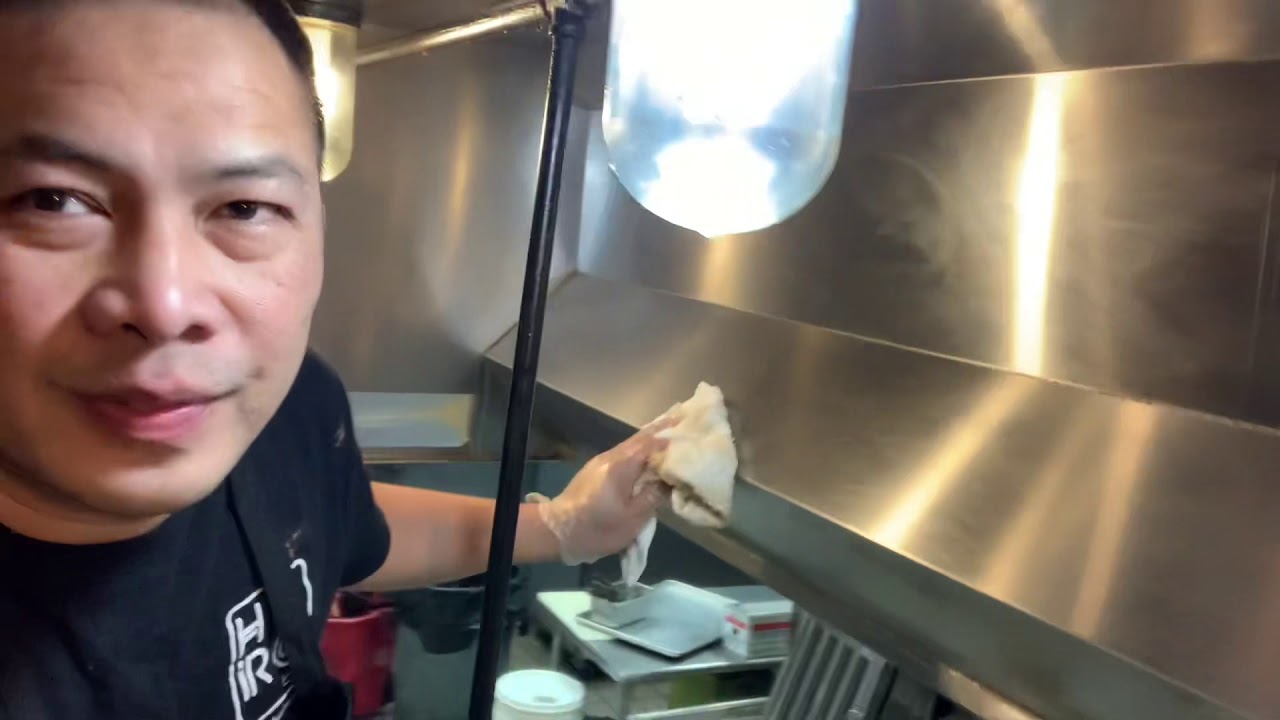
Understanding the Scope of Commercial Kitchen Hygiene
The health department doesn't just glance at your spotless floors. They are scrutinizing the mechanics of your operation—the things that generate heat, grease, and steam. The rangehood system, in particular, is a primary focus because it acts as the primary catcher of airborne contaminants. If it’s failing, the entire kitchen environment is at risk. Are you treating your rangehood cleaning as a mere maintenance chore, or do you understand it as a critical risk mitigation strategy?
Why Grease Accumulation is a Fire Hazard
Grease is the silent villain of the commercial kitchen. It's sticky, it's insidious, and when mixed with heat, it becomes highly flammable. A buildup of polymerized grease on filters, ducts, and surrounding surfaces doesn't just look bad; it is a major fire hazard.
- Blocked Filters: These trap particulate matter and grease, restricting airflow and forcing the system to work harder, potentially leading to overheating. Dirty Ducts: Grease that coats the internal ductwork can eventually drip or accumulate enough to fuel a grease fire—a scenario that is nothing short of catastrophic. Visible Buildup: Inspectors are trained to spot the tell-tale signs of neglect. If they see evidence of heavy, layered grease, your compliance score takes an immediate hit.
The Difference Between Cleaning and Professional Servicing
It is crucial to understand that "cleaning" and "servicing" are not interchangeable terms when dealing with commercial exhaust systems. While daily cleaning involves removing visible grime and filters, professional servicing involves deep-cleaning the internal ductwork and the mechanisms themselves. Trying to tackle the internal ducts with household equipment is like trying to drain a bathtub with a teaspoon—it simply won't work.
Preparing for the Inspection: The Deep Dive
Passing an inspection requires more than just a fresh coat of paint; it requires a demonstrable commitment https://www.demilked.com/author/allachbunk/ to preventative hygiene. The process of rangehood cleaning to pass health department inspection Sydney must be methodical, comprehensive, and ideally, done by trained professionals.
What Inspectors Are Actually Looking For
Think of the inspector as a forensic detective of hygiene. They are not judging your cooking skills; they are assessing your adherence to strict operational protocols. They are looking for evidence of routine, deep cleaning, not just superficial tidiness.
The key areas of focus include:
- Visible Grease Deposits: Are all surfaces, including the hood canopy and surrounding walls, free of visible grease splatters? Filter Integrity: Are the grease filters properly installed, clean, and free of tears or significant blockages? Drainage and Traps: Are the grease traps clear, properly maintained, and functioning correctly? Documentation: This is perhaps the most overlooked element. You must have records (logs, invoices) proving when the deep cleaning was done, who did it, and what materials were used.
“Compliance is not a destination; it is a continuous journey,” notes one experienced food safety consultant. This quote perfectly captures the mindset shift needed—you must view hygiene as an ongoing process, not a one-time fix.
The Anatomy of a Perfect Clean
A successful cleaning regimen is systematic. It must address the entire system, from the cooking surface to the duct exit.
- The Hood Canopy: This visible area needs degreasing and scrubbing to remove baked-on residue. The Filters: These need specialized degreasers and proper rinsing to restore maximum airflow. The Ductwork (The Hidden Gem): This requires specialized equipment (often high-pressure vacuum systems or rotary cleaning methods) to reach the internal surfaces that are invisible to the naked eye.
An anecdote I once heard involved a wonderful little café that thought they were doing fine because they wiped down the visible hood. The inspector, however, used a small borescope camera to look inside the ductwork and found years of accumulated, hardened grease—enough to make the ductwork look like a caramel-colored ribbon. It was a powerful reminder that what you can't see is often the dirtiest part.
Beyond the Clean: Maintaining Compliance Long-Term
Achieving a successful inspection is a victory, but the real goal is sustained operation. How do you ensure that the cleanliness doesn't fade the moment the inspector leaves?
Integrating Cleaning into Daily Operations
Making hygiene a habit is like breathing—it must become automatic. Implementing a strict cleaning schedule, assigning responsibility, and providing the right tools are key components.
- Daily: Scrape, wipe, and check filters for obvious buildup. Weekly: Deep clean accessible surfaces and conduct a basic visual check of the grease traps. Monthly/Quarterly: Schedule professional deep cleaning of the ductwork.
Do you treat your exhaust system as a necessary evil to be checked off a list, or do you view it as the unsung guardian of your kitchen’s safety and reputation?
The Investment in Expertise
While DIY cleaning is great for visible surfaces, attempting deep rangehood cleaning to pass health department inspection Sydney without professional help is a gamble. Specialized contractors possess the right machinery, the necessary chemicals, and, crucially, the knowledge of local Sydney regulations. Hiring experts is not an expense; it is a non-negotiable insurance policy for your business's continued operation.
Future-Proofing Your Kitchen Safety
The ultimate goal of meticulous cleaning and servicing is to eliminate risk. A clean rangehood system means optimal airflow, reduced fire hazard, and a safe working environment. By taking proactive steps—by treating your ventilation system with the respect it deserves—you are protecting your investment, your staff, and your reputation.
Ultimately, compliance shouldn't feel like a constant battle against grime. It should feel like a natural, integrated part of your high-quality operation. By understanding the scope of the cleaning process, respecting the technical nature of the equipment, and committing to consistent, professional maintenance, you move from simply hoping to pass the inspection to knowing you are prepared.
Take the time today to review your current cleaning logs and service records. Don't wait for the inspector to tell you what's wrong; be the proactive manager of your own safety.